
Bogolan Textiles
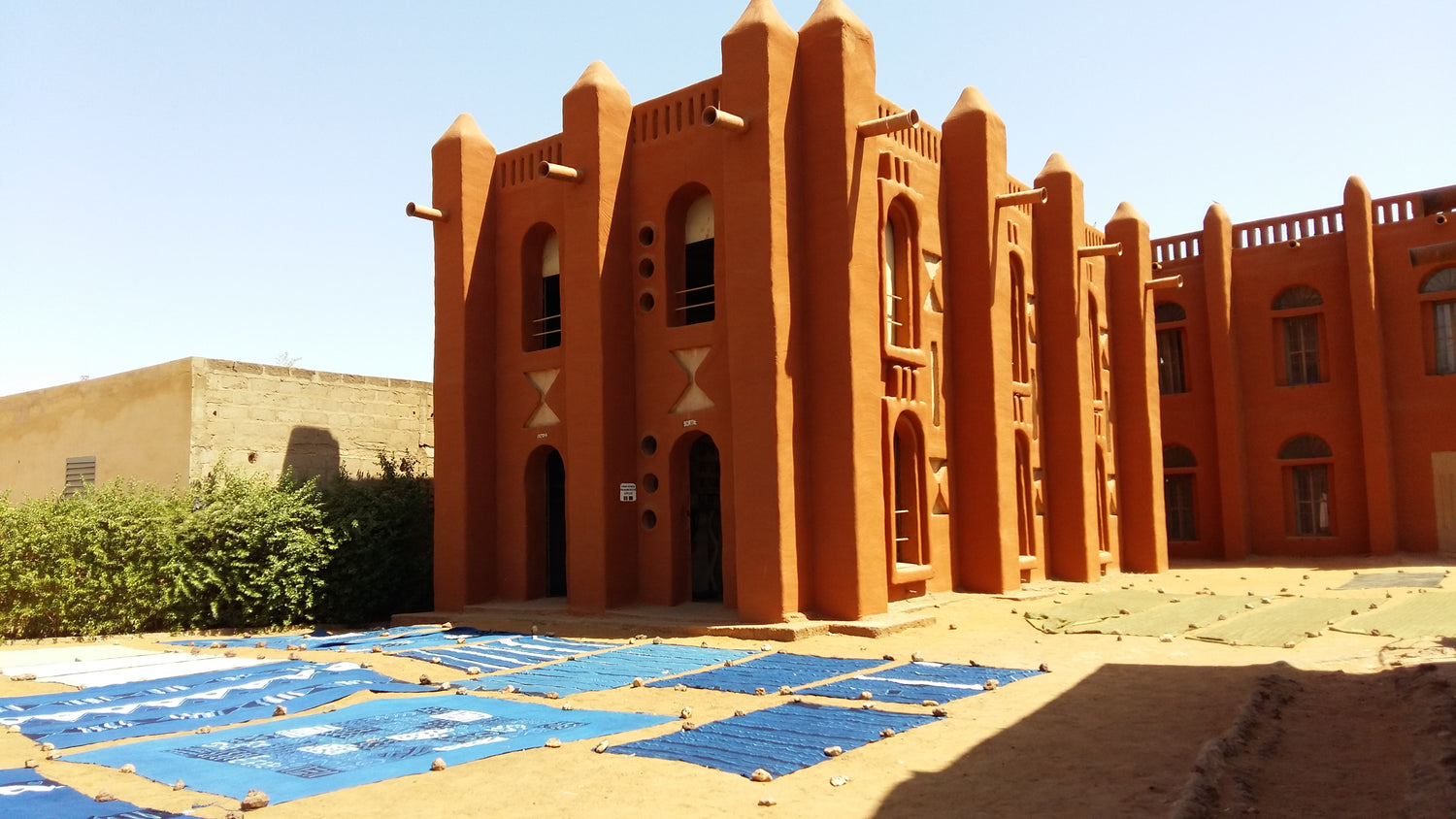
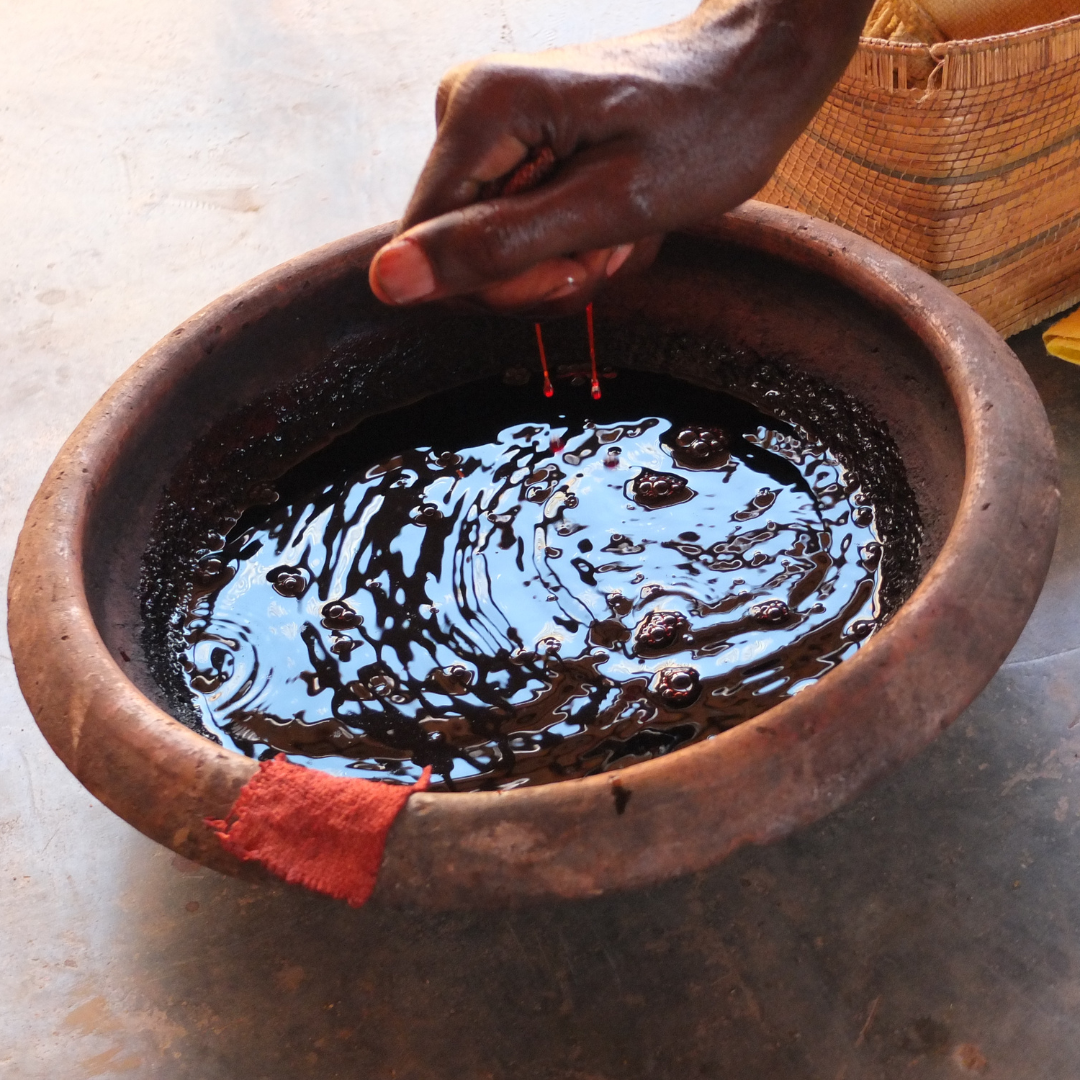
Bogolan or Bogolanfini is also called mudcloth / mud cloth ). This unique handmade textile from Mali is more than just fabric; it tells stories and carries age-old traditions. On this page we take you through the process of how these special cloths are made. Each piece is completely handmade, sustainable and has its own story.
Step 1: Natural materials
Everything starts with nature. The materials used for Bogolan's unique patterns come directly from the environment. Think river clay, plant sap and tree bark. The 100% cotton is of eco-quality and is grown in Mali and Burkina Faso.
Step 2: Creating the pigmentation
The natural materials are processed into pigments. For example, river clay is mixed with water to create a deep, earthy colour. Plant juices and extracts from tree bark are carefully prepared to create different shades, colours and contrasts. This process requires knowledge that is passed down from generation to generation.
Step 3: Adding figures
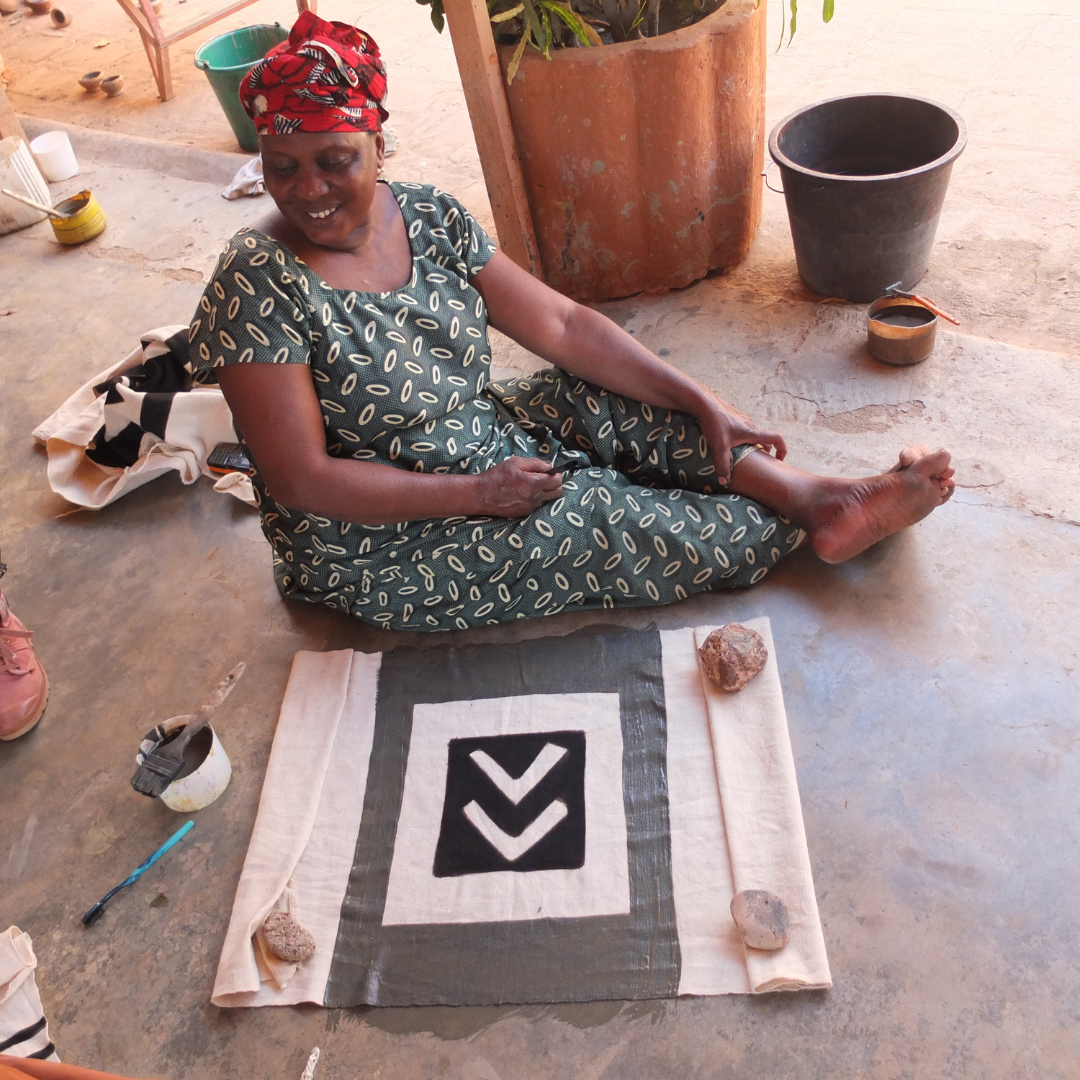
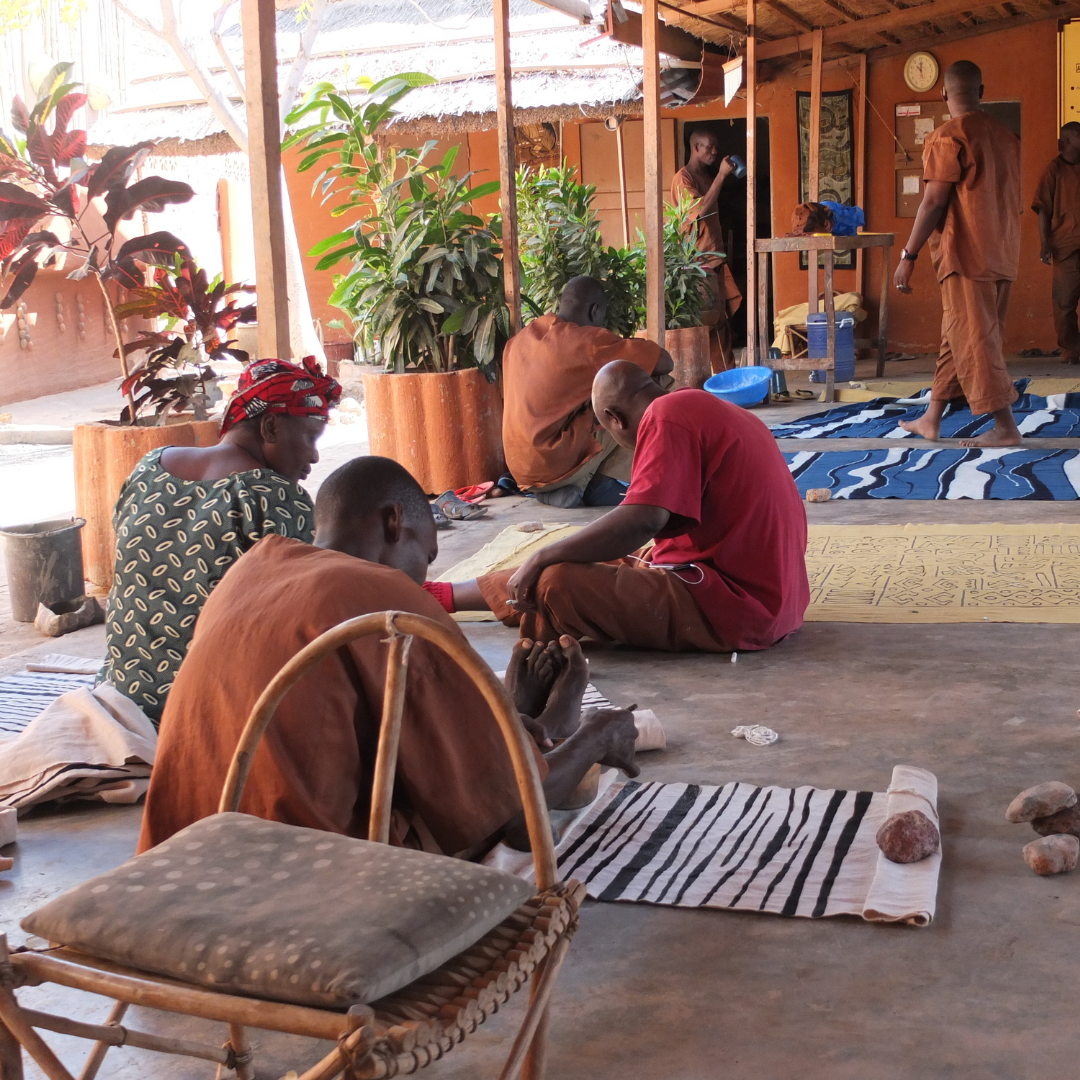
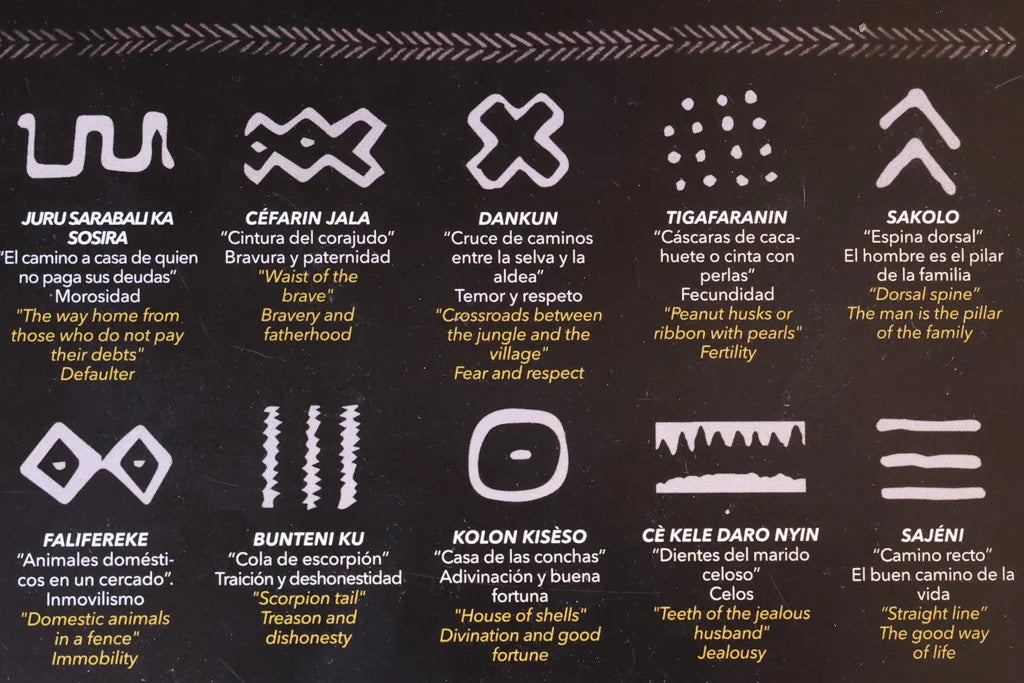
The real craft begins with dyeing the fabrics, after which the patterns are applied by hand to sustainable cotton. The designs are not just decorative: each figure has a deeper meaning, from protection to cultural symbolism. You can read more about the meanings at the bottom of this page.
Step 4: Drying the cotton
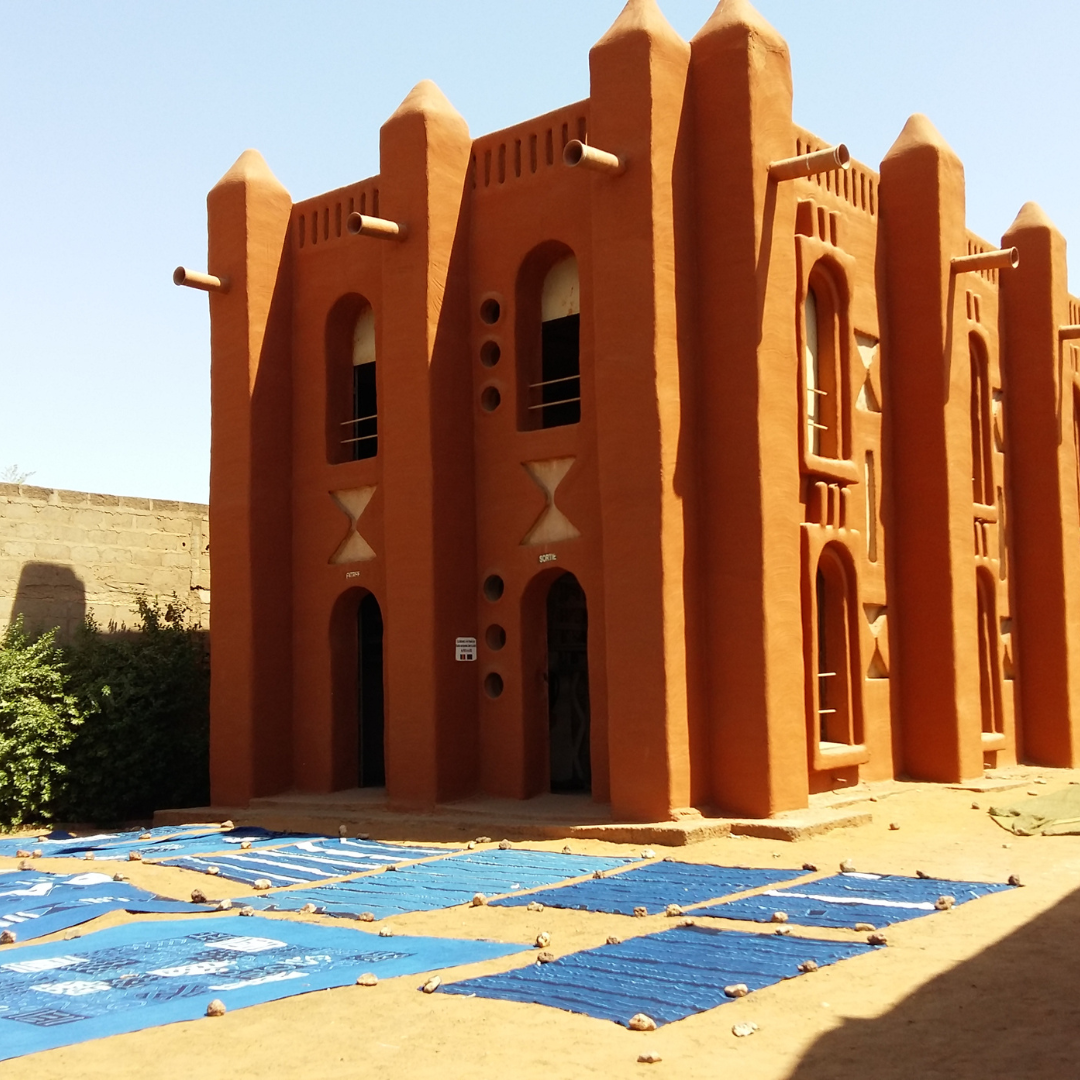
After applying the patterns, the fabric is left in the sun to dry. The heat of the sun fixes the natural pigments in the cotton, making the colours deep and permanent.
Step 5: Bathing
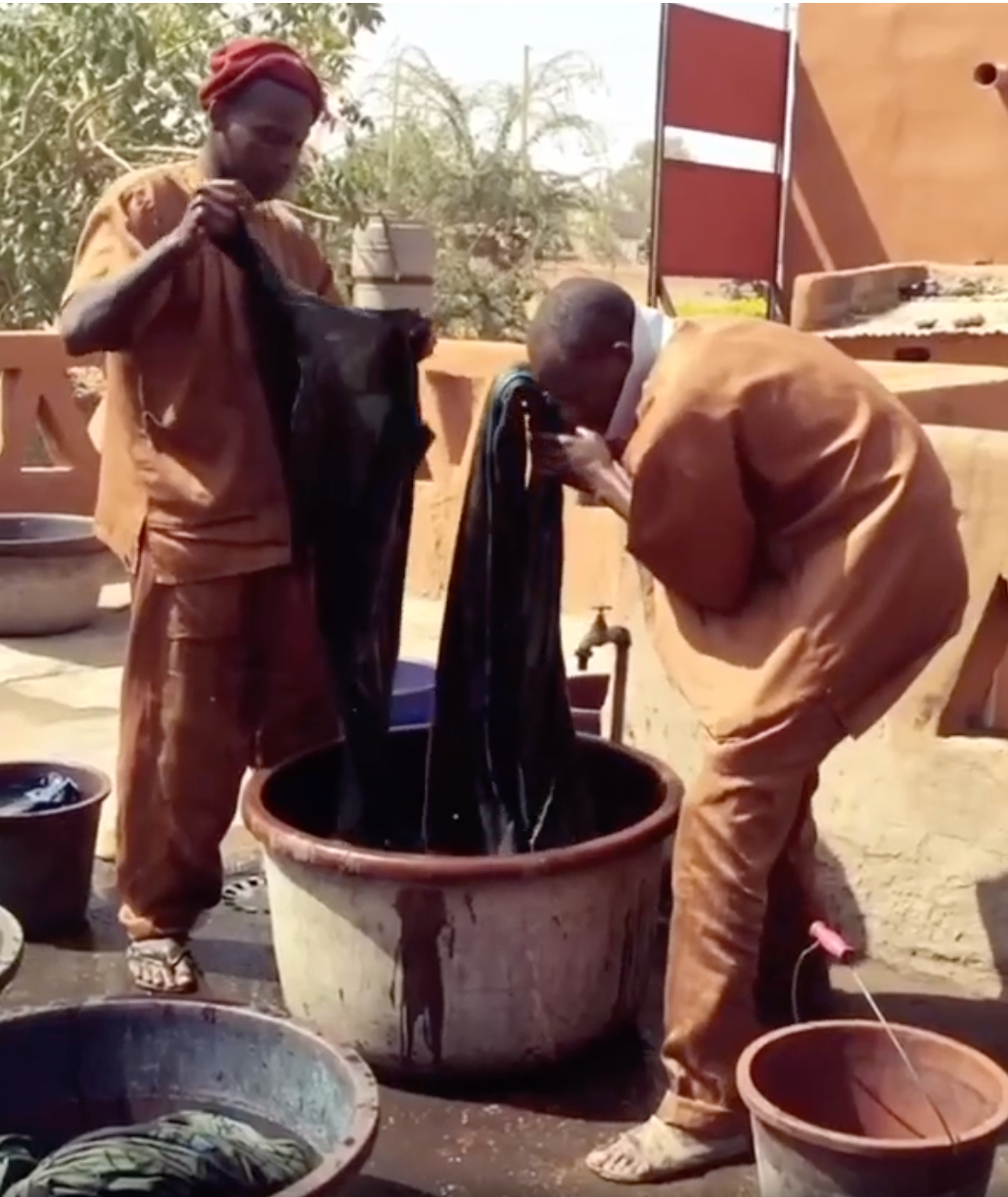
To further deepen the colours and accentuate the patterns, the fabrics are immersed layer by layer in a bath of natural pigments. This process is repeated until the desired intensity and durability of the colours is achieved.
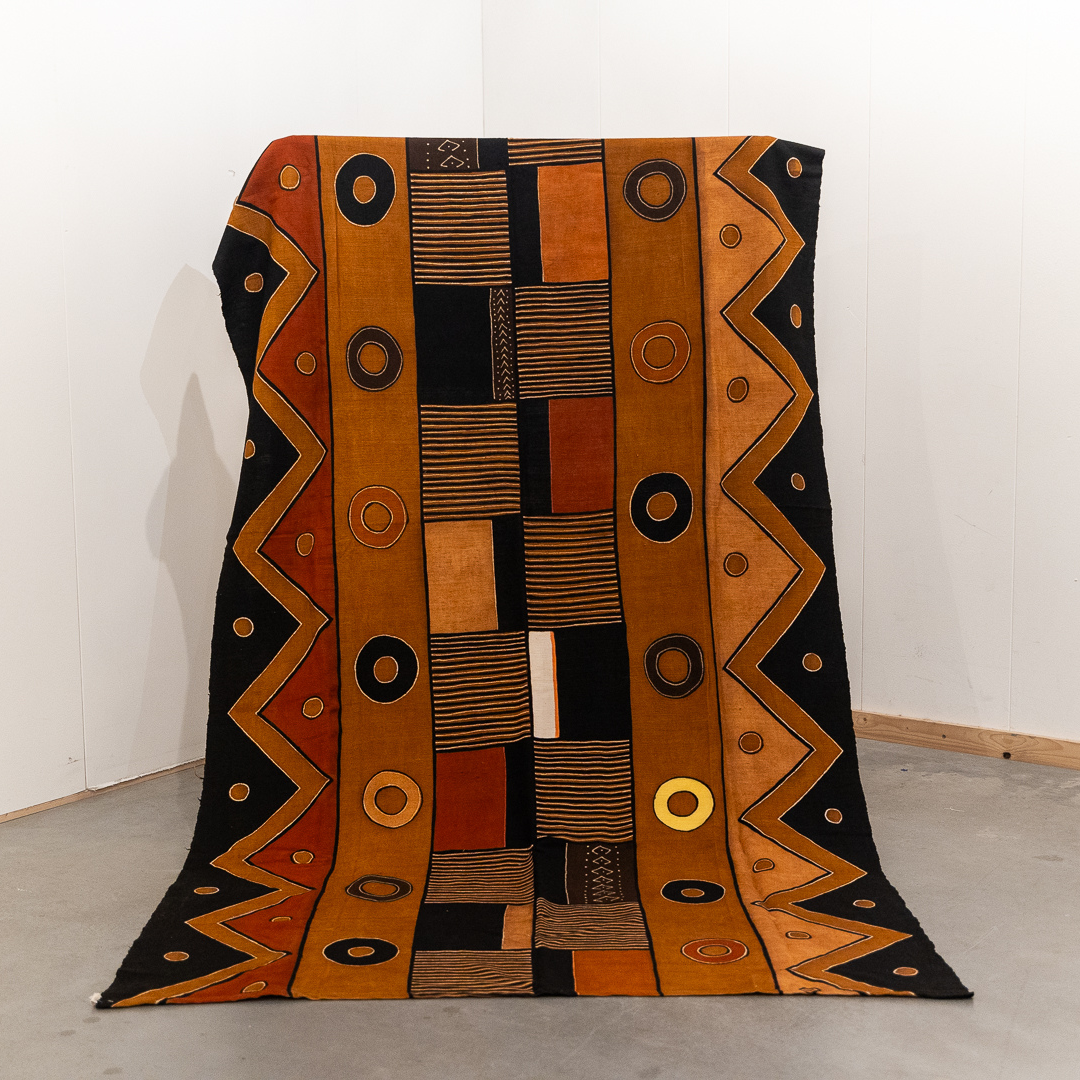
Step 6: Showroom, packing & shipping.
After all the careful steps, the Bogolan textiles are ready for sale. The fabrics are presented in (local) showrooms, where we select the most beautiful pieces for our collection. Then they are packed with the same care and sent to their new destination.
Watch the production process in this video:


Here are some of the meanings of the symbols:
Photo source: Click here
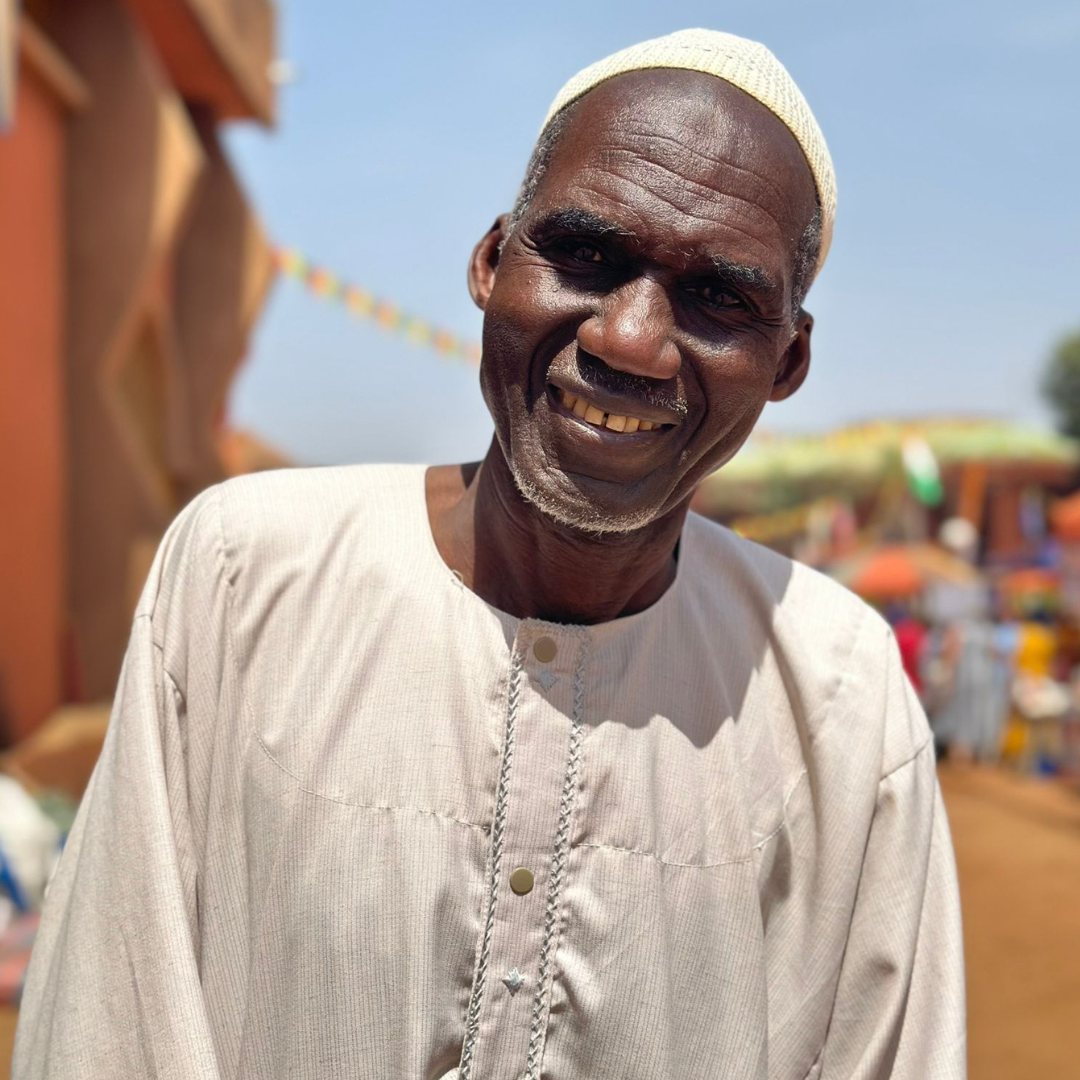
Our Bogolan producer(s):